
how does Invisalign work?
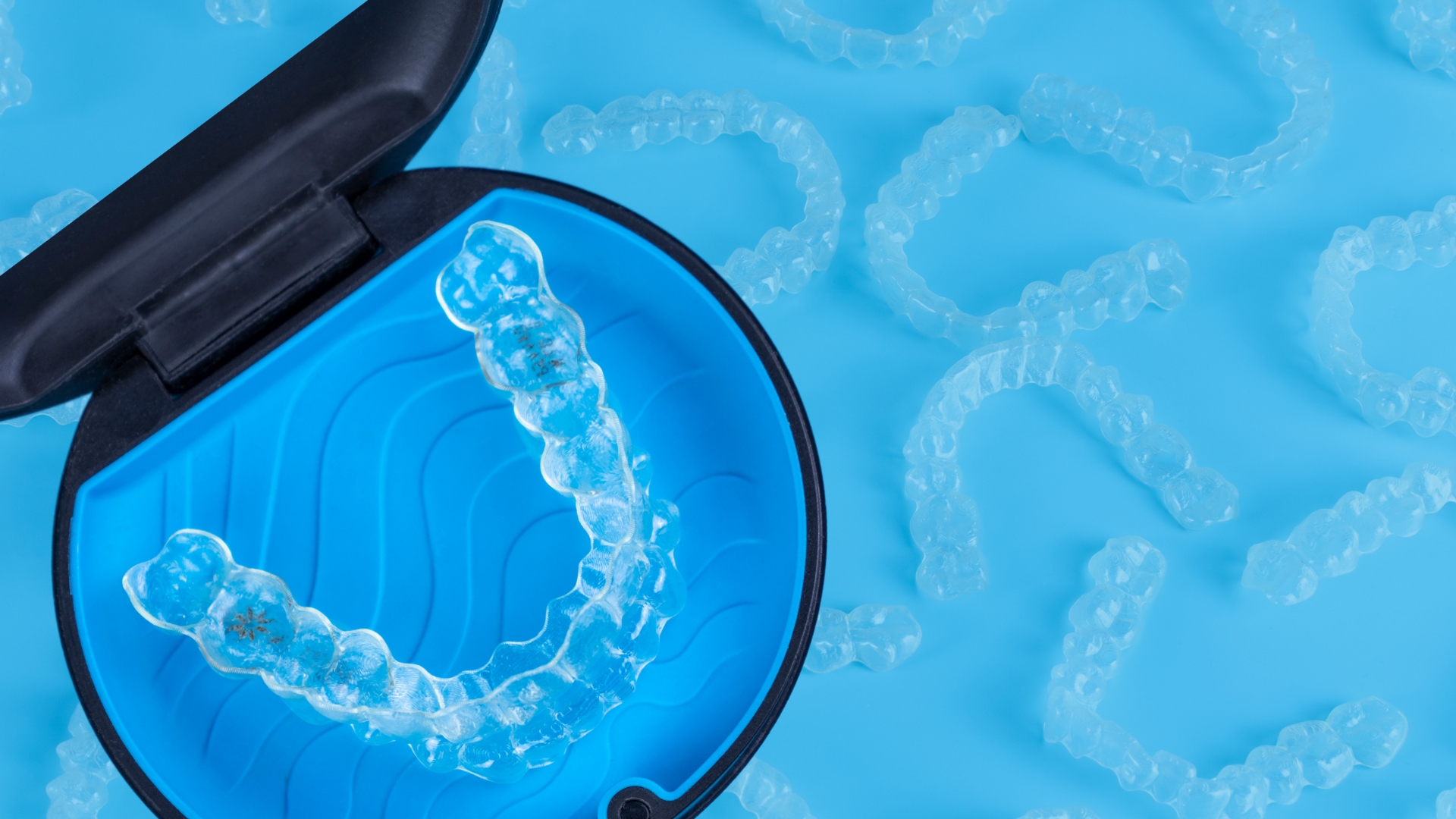
It is a question we hear frequently: how can a simple set of transparent trays achieve the same results as traditional metal braces? The secret lies in a blend of cutting-edge 3D planning and medical-grade materials that allow for a completely wire-free transformation. In this guide, we’ll explore the innovative technology behind Invisalign and break down the step-by-step journey of how these nearly invisible aligners apply gentle, consistent pressure to guide your teeth into their ideal position.
The magic of Invisalign lies in its ability to translate a digital treatment plan into physical results through a series of subtle, incremental shifts. Each aligner is custom-moulded to be slightly closer to your goal than the one before it, exerting a gentle "pushing" force on specific teeth. As you transition through your series of trays—usually every 7 to 14 days—your teeth move a fraction of a millimetre at a time. This controlled sequence ensures that only certain teeth move at each stage, making the process both comfortable and incredibly efficient.
To tackle more difficult movements, such as rotating a canine or closing a stubborn gap, we often apply "SmartForce" attachments. These are discreet, tooth-coloured bumps of dental material that give the aligners a surface to grip onto, providing the leverage needed for complex realignments. Because your entire journey is mapped out using 3D software before you even start, the aligners can orchestrate these movements with surgical precision, ensuring every tooth ends up exactly where it belongs.
Do you have to wear a retainer forever after Invisalign?
To put it simply, yes—think of a retainer as the permanent maintenance phase of your Invisalign journey. Teeth are naturally prone to shifting, and without a constant guide, they will gradually drift back toward their original positions in a process known as orthodontic relapse. Because the ligaments surrounding your teeth remain flexible, the only way to lock in your results is through regular retainer wear. While you will eventually move to wearing them only at night, keeping up this habit indefinitely is the only certain way to protect your investment and keep your smile as straight as the day you finished treatment.
The Do’s and Don’ts of Invisalign -
To achieve the best possible results with Invisalign, it is vital to stick to a few simple daily habits. Do prioritise wearing your trays for the recommended 22 hours per day, only removing them when eating or drinking anything other than water. It is also a must to do brush your teeth before putting your aligners back in; failing to do so can trap bacteria and acids against your teeth, increasing the risk of cavities and staining.
On the other hand, don't ever use hot water to clean your trays, as high temperatures can easily misshape the medical-grade plastic and ruin your progress. Don't leave your aligners lying around on surfaces or wrapped in napkins while you eat; they are incredibly easy to lose or accidentally bin, so always store them in their dedicated case. Finally, don't use scented soaps or abrasive toothpastes to scrub your trays, as these can create tiny scratches that make the plastic appear cloudy and less discreet.
Your journey to a straighter, more confident smile starts with a single, simple step. Now that you know how Invisalign’s advanced technology and discreet aligners work together to transform your teeth, the best way to discover what is possible for you is to speak with our experts. At S3 Dental, we are dedicated to helping you achieve your smile goals with a plan that is completely tailored to your lifestyle.
Why not see your potential results for yourself? We invite you to book a cosmetic consultation, where we can use our state-of-the-art 3D scanners to show you a digital simulation of how your teeth could look after treatment. Don't wait to start your transformation—get in touch with our friendly team today to schedule your appointment and bring your dream smile into focus!