
Root Canal vs Extraction
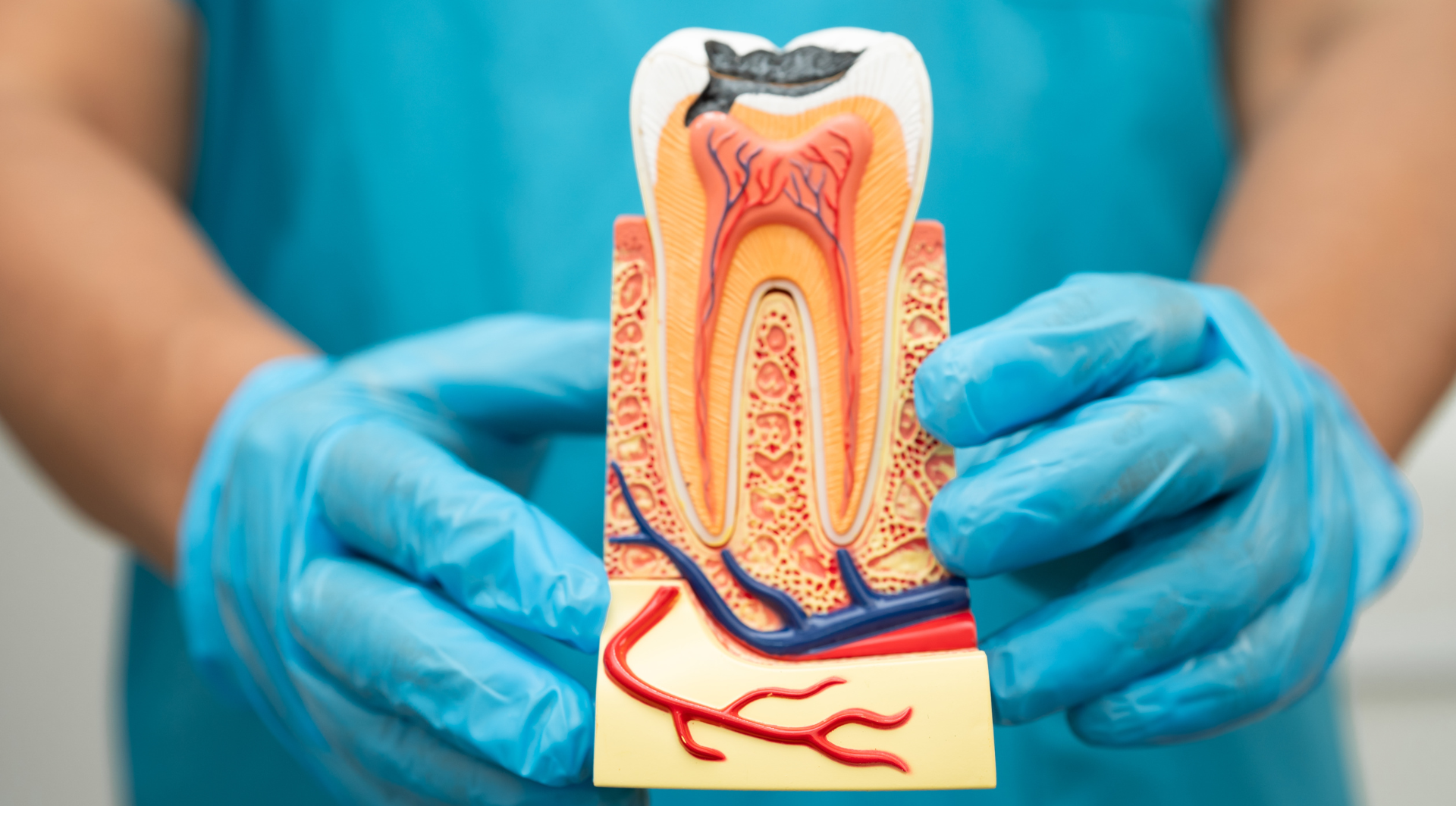
When you are facing a painful toothache or a deep-seated infection, the priority is usually just to find relief as fast as possible. This often leads to a pivotal decision: do you attempt to preserve the natural tooth with a root canal, or is an extraction the better path? We hear this question frequently at our practice, and it is often clouded by "dental myths" that make the process seem far more daunting than it is. Many worry that a root canal will be painful (actually, modern methods make it no more uncomfortable than a routine filling), while others view an extraction as the simpler choice, overlooking the long-term impact that a missing tooth can have on their overall dental health.
If the idea of a root canal makes you anxious, you aren’t alone—but the procedure is actually much more routine and comfortable than many expect. At its core, a root canal is a specialised deep-clean for the interior of a tooth to prevent it from needing removal. Once we have ensured the area is fully numbed and you are relaxed, we create a tiny access point to reach the pulp—the internal nerves and tissue that have become inflamed or infected.
Using precision instruments, we carefully clear out the damaged tissue, thoroughly disinfect the internal canals to eliminate bacteria, and seal the area with a durable material to shield it from future issues. Because we are removing the source of the infection, the treatment actually eliminates the pain rather than creating it. Once the tooth has healed, we typically place a crown over it to restore its strength, ensuring it is durable enough for normal biting and chewing for many years.
The choice between a root canal and an extraction usually hinges on whether the tooth’s structure is healthy enough to be saved. We always aim for a root canal whenever viable because your natural tooth is always the best tool for the job. It maintains your natural bite alignment, stops adjacent teeth from drifting into empty spaces, and prevents the need for more invasive replacement procedures down the line.
An extraction is generally considered our final option—something we only recommend if a tooth is so severely fractured or decayed that it cannot be reliably repaired. While removing the tooth might offer instant relief, it is important to understand that losing a tooth is the beginning of a different process. To avoid bone loss and keep your mouth functional, a replacement will eventually be necessary. In modern dentistry, a dental implant is the gold standard for this; it is the most lifelike replacement available, providing exceptional durability and a seamless appearance.
Ultimately, the decision to save or remove a tooth is a collaborative one, based on your long-term health goals and budget. While a root canal may feel like a more significant commitment initially, it is often the most straightforward way to keep your natural smile intact. However, if an extraction is the only clinical option, we have excellent restorative solutions like implants to ensure you aren't left with a gap.
If you are currently struggling with dental pain, a damaged tooth, or if you’ve been told you need an extraction and would like a second opinion, don't delay seeking advice. The sooner we assess the situation, the more opportunities we have to provide a conservative solution.
Stop living with dental pain—get a professional opinion today. Click here to book your consultation or contact our team to schedule an assessment with one of our experienced dentists.